Inception Point Ai
Northern Lights
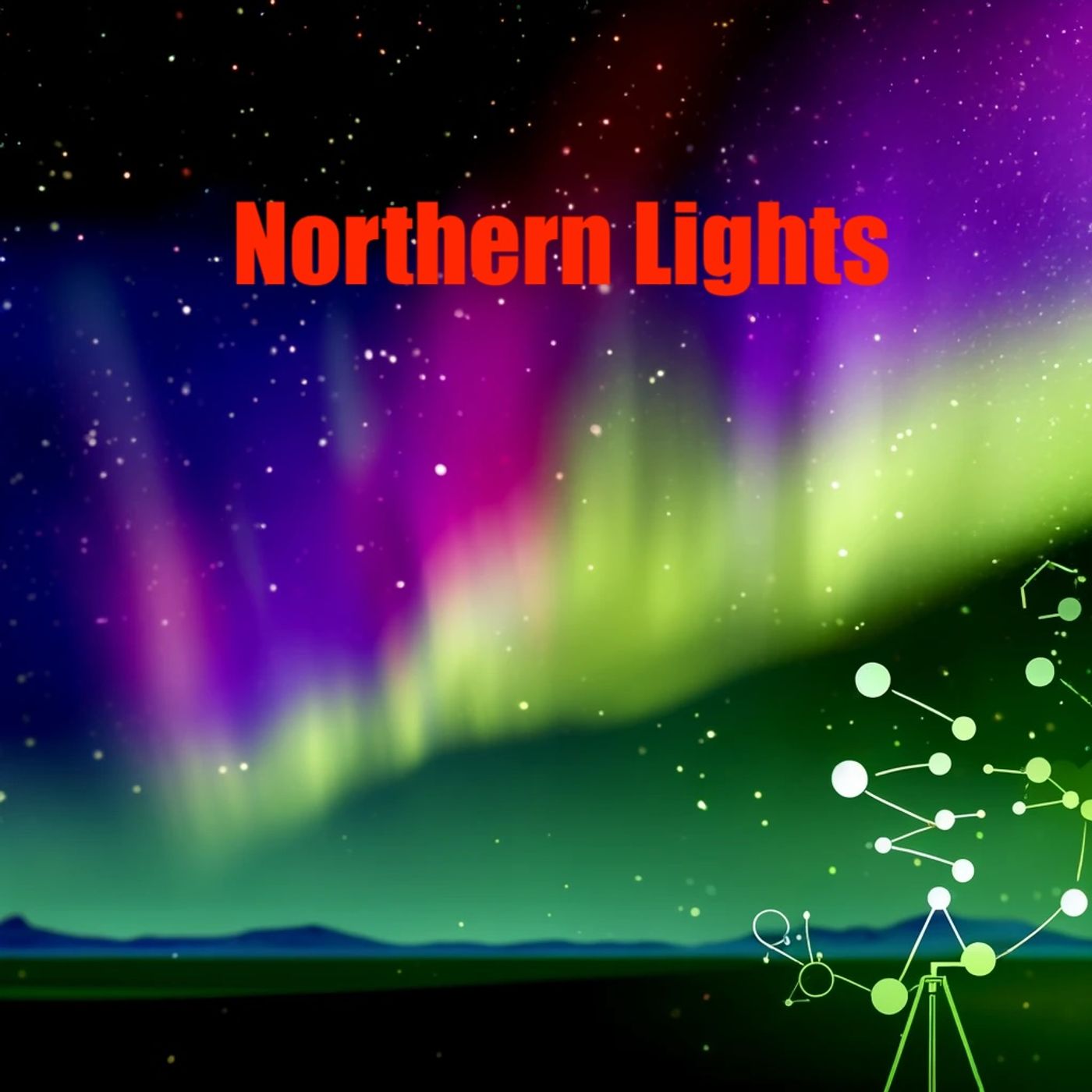
The Northern Lights: Unveiling the Spectacle Through Atmospheric and Solar Dynamics Introduction The Northern Lights, or aurora borealis, represent one of nature’s most spectacular phenomena, creating a vivid display of color and movement that lights up the polar skies. Recent atmospheric conditions have allowed people in certain parts of the world to witness this extraordinary event more clearly and more frequently. This article explores the various scientific and atmospheric factors that have contributed to these improved viewing opportunities, diving deep into the world of solar physics, geomagnetic activity, and atmospheric science. The Science Behind the Northern Lights At the heart of the Northern Lights is the interaction between the Earth’s atmosphere and particles from the sun. These particles, primarily electrons and protons, are hurled into space by the sun’s atmosphere, traveling over 93 million miles toward Earth, carried by the solar wind. When these charged particles collide with gases in Earth’s atmosphere, they cause bursts of light, creating the aurora borealis. The colors of the aurora are determined by the type of gas involved—oxygen produces green and red; nitrogen gives off blue and purple. Solar Activity and Its Impact The sun follows an approximately 11-year cycle known as the solar cycle, which dictates the frequency and intensity of solar phenomena like solar flares and coronal mass ejections (CMEs). These events play a crucial role in the dynamics of the Northern Lights: 1. Solar Flares: These are sudden flashes of brightness observed near the Sun’s surface, which enhance the flux of ionizing radiation in space. Solar flares are powerful enough to influence the Earth’s atmosphere by extending the reach of auroral activity. 2. Coronal Mass Ejections: More impactful than flares, CMEs involve huge bubbles of radiation and particles from the sun’s corona being thrown into space. When these particles reach Earth, they can trigger intense geomagnetic storms that dramatically expand the visibility of the auroras. The current phase of increasing solar activity as we approach the next solar maximum (expected around 2025) means an uptick in these solar events, leading to more frequent and vivid displays of the Northern Lights. Geomagnetic Storms and Auroral Expansion Geomagnetic storms result from the interaction of CMEs or high-speed solar wind streams with Earth’s magnetic field. These storms are rated on a scale called the Disturbance Storm Time (Dst) index. Strong storms can push the auroral oval southward, making the Northern Lights visible at lower latitudes. For instance, recent significant geomagnetic storms have allowed observers in states like Montana and Maine in the U.S. to view auroras—a rare event given their geographical location. Atmospheric Conditions Favoring Aurora Visibility Apart from solar and geomagnetic activity, local atmospheric conditions significantly affect the visibility of the Northern Lights: 1. Clear Skies: Cloud cover can obscure the aurora, so clear skies are essential for good visibility. Regions known for frequent clear skies during aurora season include parts of Scandinavia, Alaska, and Canada. 2. Darkness: The best time to view the Northern Lights is during the dark winter months in the polar regions. Light pollution should be minimal, so rural areas away from city lights offer the best viewing experiences. 3. Latitude: Typically, the auroral zone is between 65 to 72 degrees north latitude. However, during intense geomagnetic storms, this zone can expand into lower latitudes. Recent Observations and Future Predictions Recent reports and observations have indicated an increase in Northern Lights activity, correlating with the ramp-up toward solar maximum. Scientists studying solar dynamics and Earth’s magnetic field continually update predictions about the intensity and frequency
copyright 2024 Quiet.Please
Sign up to track rankings and reviews from Spotify, Apple Podcasts and more.