Inception Point Ai
Prince Harry and The Invictus Games
Categories
Sports News, News, History
Number of episodes
1
Published on
2024-04-28 15:31:00
Language
English

Categories
Sports News, News, History
Number of episodes
1
Published on
2024-04-28 15:31:00
Language
English
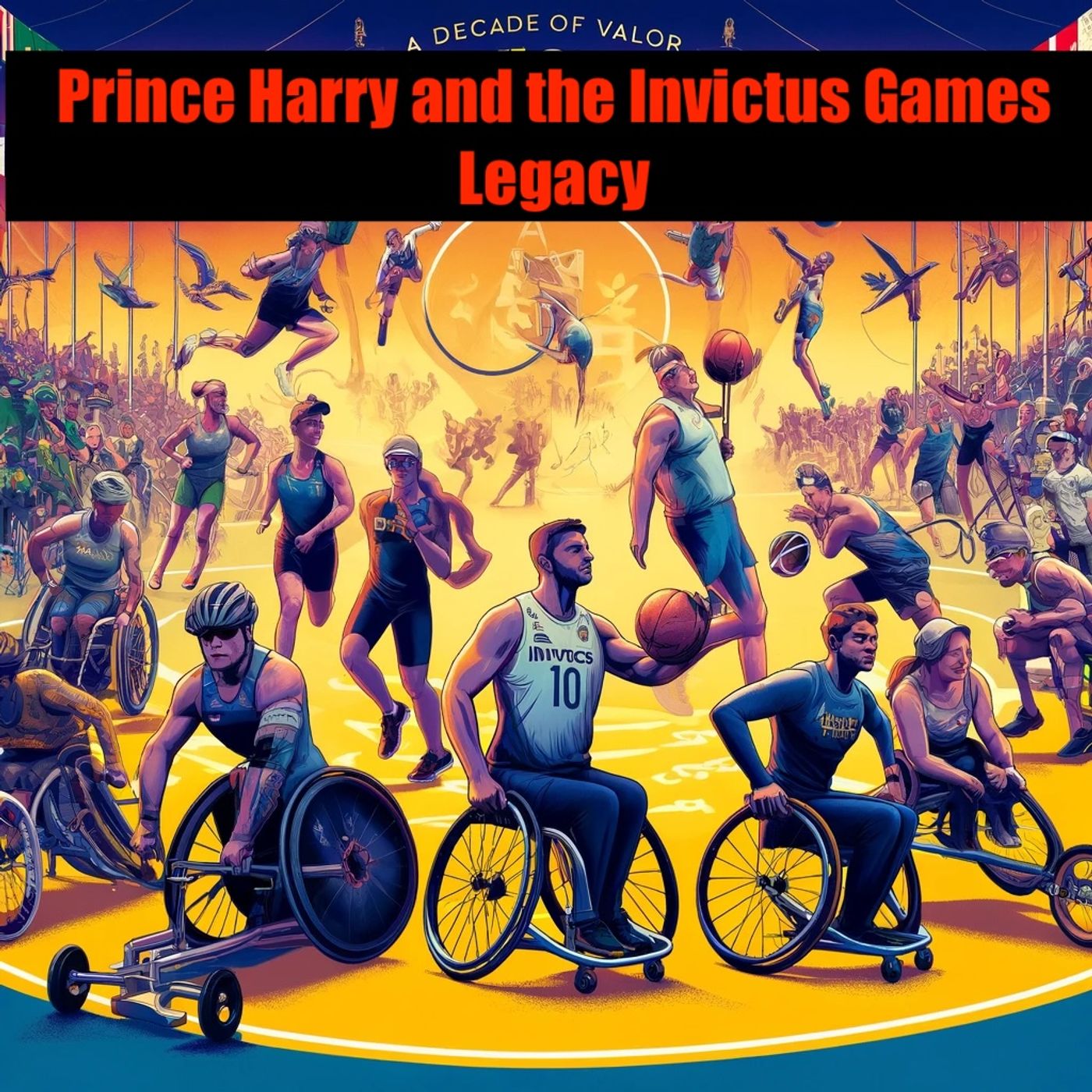
Hello, everyone! Today we're diving deep into the incredible world of the Invictus Games. As we approach the anniversary of this awe-inspiring event, it's only fitting that we take a closer look at its history, purpose, and the profound impact it has had on the lives of wounded, injured, and sick service personnel and veterans across the globe. Let's start from the beginning, shall we? The Invictus Games were born from the vision and passion of none other than Prince Harry himself. Having served in the British Army for a decade, including two tours in Afghanistan, Prince Harry witnessed firsthand the struggles and triumphs of his fellow service members. He saw the physical and mental toll that combat could take, and he knew that he had to do something to help. It was during a visit to the Warrior Games in the United States that the idea for the Invictus Games truly took hold. Seeing the transformative power of sport in the lives of wounded warriors, Prince Harry knew he had to bring this incredible concept to the United Kingdom. Fast forward to 2014, and the inaugural Invictus Games burst onto the scene in London. Over 400 competitors from 13 nations came together to showcase their unbreakable spirit and athletic prowess. The Games were an instant success, capturing the hearts and minds of people around the world. But the Invictus Games are about so much more than just sport. At their core, they serve a profound purpose: to harness the power of sport to inspire recovery, support rehabilitation, and generate a wider understanding and respect for those who serve their country. These Games provide a platform for service members and veterans to prove to themselves, and to the world, that their injuries do not define them. They are a celebration of resilience, determination, and the unbreakable human spirit. Now, let's talk about the sports themselves. The Invictus Games feature a wide array of adaptive sports, each designed to accommodate the unique challenges faced by the participants. From the raw power of powerlifting to the precision of archery, the speed of cycling to the teamwork of sitting volleyball, there's truly something for everyone. In powerlifting, competitors showcase their incredible strength as they bench press, squat, and deadlift their way to glory. Archery requires a steady hand, laser-like focus, and nerves of steel as competitors aim for the bullseye. Cycling tests both endurance and speed, with riders navigating challenging courses on specially adapted bikes. And in sitting volleyball, teamwork is key as players work together to keep the ball in play and score points. But the Invictus Games don't just feature individual sports. Team sports like wheelchair basketball and wheelchair rugby are some of the most exciting and intense events on the schedule. In wheelchair basketball, players dribble, pass, and shoot their way up and down the court, all while navigating their chairs with incredible skill and agility. Wheelchair rugby, meanwhile, is a full-contact sport that combines elements of basketball, handball, and ice hockey. It's fast, furious, and absolutely thrilling to watch. But who exactly is eligible to compete in the Invictus Games? The answer is simple: any active duty or veteran service member who has become ill or injured during or as a direct consequence of their service. It doesn't matter which branch of the military they serve in or which country they call home. The Invictus Games welcome them all with open arms. The selection process for the Invictus Games is rigorous and competitive. Hopeful competitors must first be nominated by their respective nations, and then undergo a series of trials and evaluations to determine their fitness and readiness to compete. Those who make the cut then embark on a grueling training regimen, working with coaches, trainers, and medical staff to prepare themselves physically and mentally for the cha
copyright 2024 Quiet.Please
Sign up to track rankings and reviews from Spotify, Apple Podcasts and more.