Inception Point Ai
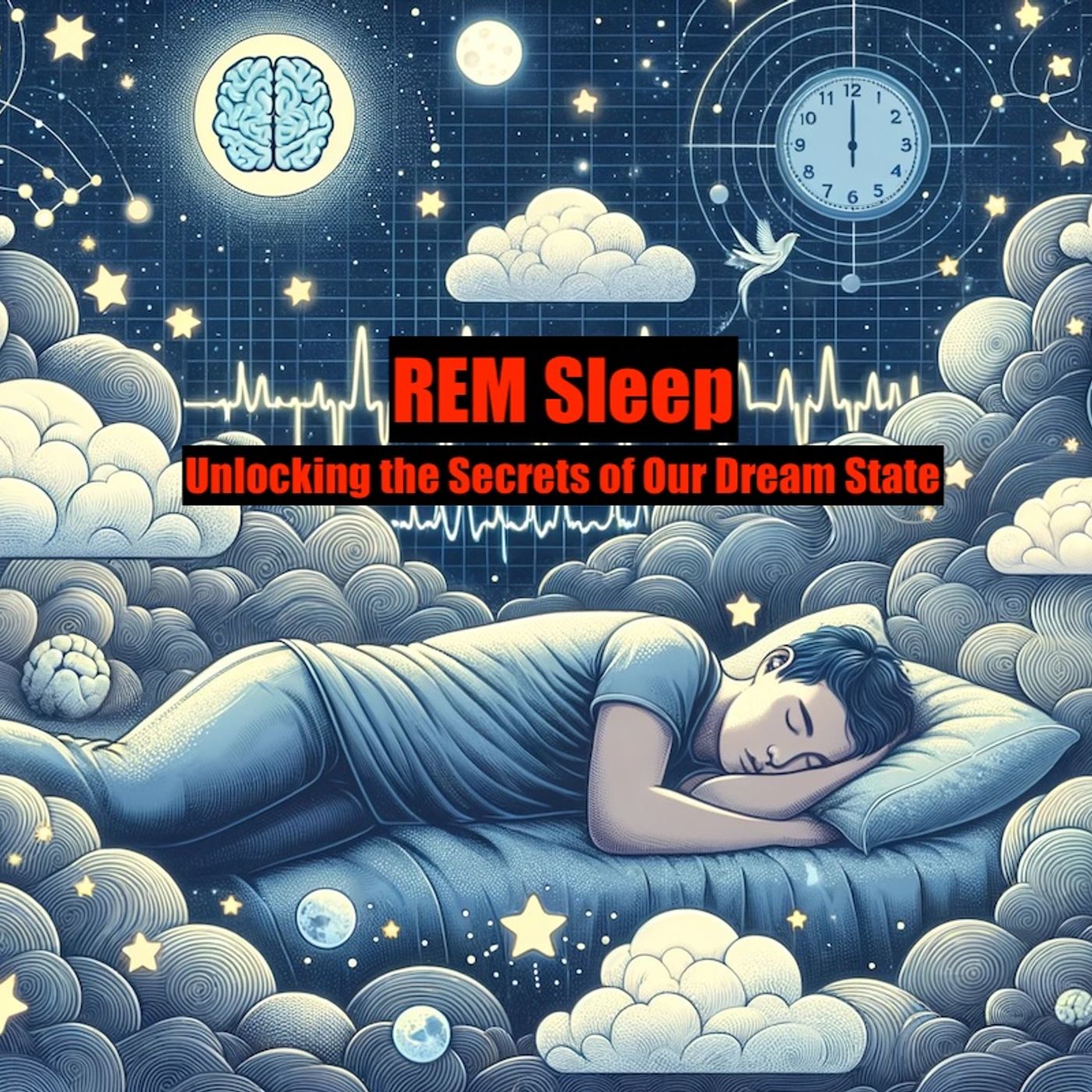
REM Sleep:
Categories
Mental Health, Health & Fitness, Education
Number of episodes
1
Published on
2024-06-26 20:11:00
Language
English

Categories
Mental Health, Health & Fitness, Education
Number of episodes
1
Published on
2024-06-26 20:11:00
Language
English
Sleep is a fundamental aspect of our daily lives, serving as a crucial period for rest, rejuvenation, and growth. While the importance of sleep is widely acknowledged, the intricacies of the sleep cycle, particularly the fascinating stage known as Rapid Eye Movement (REM) sleep, are often less understood. This article aims to delve into the world of REM sleep, exploring its characteristics, functions, and the captivating realm of dreams that accompany this stage. What is REM Sleep? REM sleep is a distinct phase of the sleep cycle, characterized by a number of unique physiological and neurological features. The term "Rapid Eye Movement" refers to the rapid, random movement of the eyes beneath closed eyelids during this stage. REM sleep typically occurs in cycles throughout the night, with each cycle lasting approximately 90-120 minutes in adults. During REM sleep, the brain exhibits high levels of activity, similar to those observed during wakefulness. This increased brain activity is associated with vivid dreams, which are a hallmark of the REM stage. Simultaneously, the body experiences a state of temporary paralysis, known as REM atonia, which prevents physical movement during dreams. The REM stage is part of the overall sleep cycle, which consists of four distinct stages. The first three stages are collectively known as non-REM (NREM) sleep, and they progress from light sleep to deep, slow-wave sleep. REM sleep follows the NREM stages and is characterized by a significant shift in brain activity and physiological functions. The Characteristics of REM Sleep To fully understand the unique nature of REM sleep, it is essential to examine its key characteristics. These include: 1. Rapid Eye Movement: As the name suggests, during REM sleep, the eyes move rapidly beneath closed eyelids. These movements are seemingly random and can be observed using specialized sleep monitoring equipment. 2. Brain Activity: During REM sleep, the brain exhibits high levels of activity, resembling those seen during wakefulness. This increased activity is particularly evident in the regions associated with learning, memory, and emotion processing. 3. Vivid Dreams: REM sleep is the stage most closely associated with vivid, storylike dreams. The increased brain activity during this stage is thought to contribute to the generation and experience of these dreams. 4. Muscle Atonia: To prevent physical movement during dreams, the body experiences a temporary state of paralysis known as REM atonia. This atonia affects most of the body's voluntary muscles, with the exception of those controlling eye movement and breathing. 5. Physiological Changes: During REM sleep, various physiological changes occur, including increased heart rate, blood pressure, and respiratory rate. These changes are thought to be related to the high levels of brain activity and the experience of dreams. The Functions of REM Sleep While the exact functions of REM sleep are still a topic of ongoing research, several theories have been proposed to explain its importance. Some of the key functions attributed to REM sleep include: 1. Memory Consolidation: REM sleep is believed to play a crucial role in the consolidation and processing of memories. During this stage, the brain is thought to strengthen and integrate newly acquired information, facilitating long-term storage and retrieval. 2. Emotional Regulation: The increased activity in brain regions associated with emotion processing during REM sleep suggests that this stage may be important for emotional regulation and stability. Dreams experienced during REM sleep may help individuals process and cope with emotional experiences. 3. Brain Development: REM sleep is particularly prevalent in infants and young children, leading researchers to propose that it may play a crucial role in brain development. The high levels of brain activity during this stage may facilit
copyright 2024 Quietr.Please
Sign up to track rankings and reviews from Spotify, Apple Podcasts and more.