Matri
Sleep, Recovery & Trauma Meditation | Yoga Nidra | Matri.au
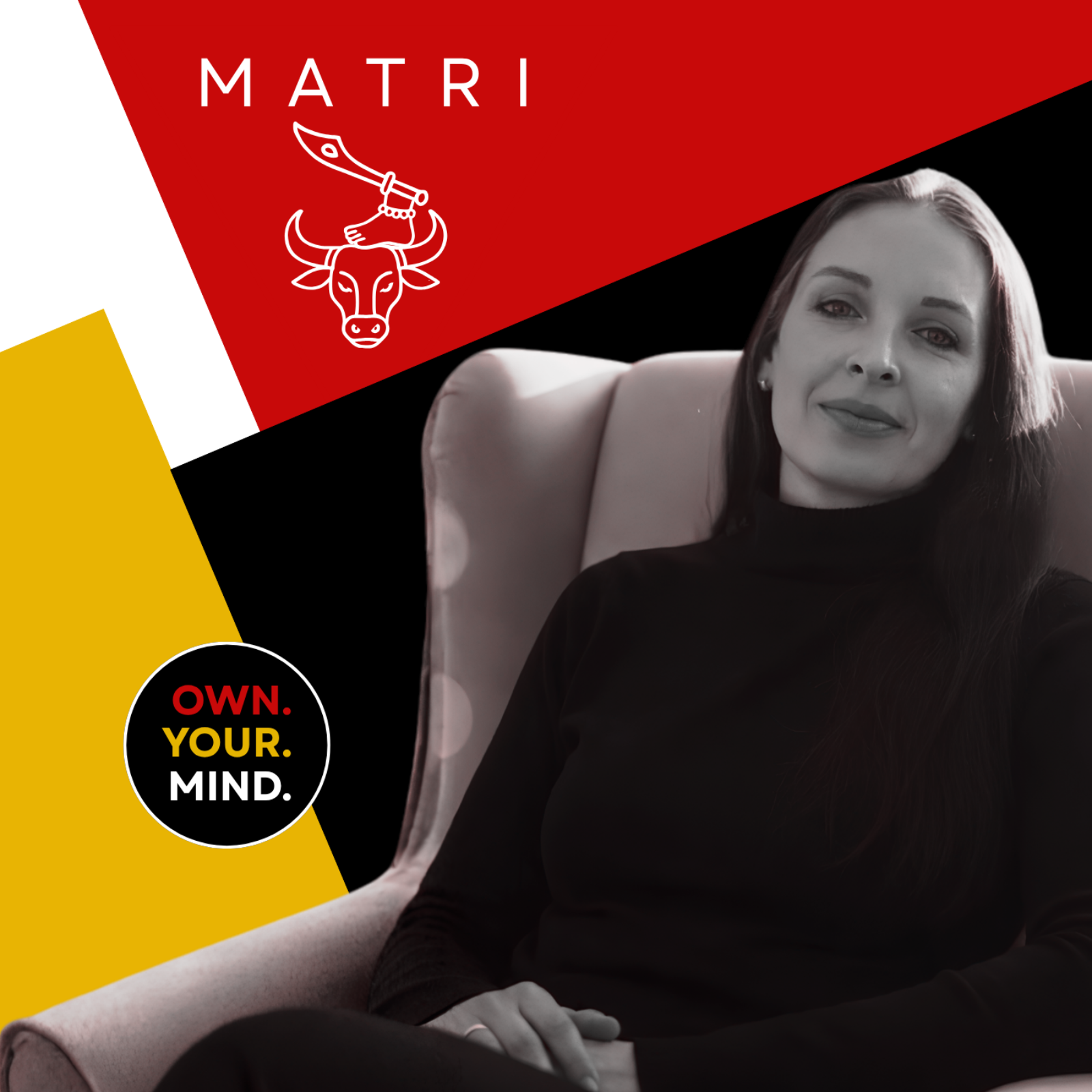
A 30-minute traditional Yoga Nidra for sleep, recovery, and trauma release — working at the level of the nervous system, not the thinking mind. Yoga Nidra is the science of conscious deep rest. Practised systematically, it works at the level of the unconscious — releasing held tension, restoring sleep, and gently reorganising the nervous system. This practice is for: Sleep — for those who wake at 3 AM, or can't fall asleep because the mind won't stop Recovery — for the body relearning what rest feels like Trauma — for nervous systems stuck in fight, flight, or freeze BEFORE YOU BEGIN — please READ this carefully. Position. The practice is performed in shavasana (bliss pose), lying flat on your back. You will receive the most benefit from this position. If you tend to fall asleep during meditation, you may sit upright instead — but shavasana is preferred whenever possible. You may practise lying on a yoga mat with a blanket beneath you, on a rug on the floor, or in your bed. If your lower back is sensitive, prop with soft padding underneath. If your knees ache, place a cushion or bolster under the back of the knees — this releases the lower spine. Hands rest beside the body, palms facing up, not touching the body — there should be a small space at each armpit so the chest can breathe freely. Feet rest comfortably apart, allowed to flop open to the sides — do not hold them upright. Cover yourself with a blanket. The body temperature drops during deep relaxation, and warmth is part of the safety the practice creates. Safety. This is a sacred and vulnerable state. No one should intrude, disturb, or touch your body while you are in the practice. Choose a time and place where you will not be interrupted. Turn off notifications. Close the door. The depth of what arises depends on the depth of safety you provide for yourself. For trauma practitioners: if at any point the practice becomes overwhelming, open your eyes, look around the room, feel the floor beneath you. You can always return to externalised awareness. The practice will be here when you are ready. At the end of the practice, do not rise quickly. Externalise gradually and FULLY. Reconnect with each of your senses. Take a few deeper breaths. Move the body lightly — circle wrists and ankles, roll the shoulders — before you stand. This grounding is part of the practice. ━━━━━━━━━━━━━━━ About Matri Matri is a teacher of Rāja yoga and yogic psychology, working at the meeting point of ancient inner science and modern neuroscience. Go deeper — articles, courses, and a focused community for sustained learning, with no ads and no algorithm: visit https://ecology.yoga and for private training with Matri — visit https://matri.au. Subscribe for weekly Yoga Nidra, Pravachan, and guided practices for nervous system recovery. #YogaNidra #SleepMeditation #GuidedSleepMeditation #TraumaHealing #NervousSystemRegulation #RecoveryMeditation #DeepSleep #Insomnia #VagusNerve #PolyvagalTheory #SomaticHealing #ComplexTrauma #YogicSleep #DeepRest #Meditation
matri.au 2026
Sign up to track rankings and reviews from Spotify, Apple Podcasts and more.